Reducing Car Ownership Costs: 12 Strategies That Work (and 4 That Don't)
Average annual car ownership cost: $10,728 (AAA). Here are 12 strategies that meaningfully reduce that number — and 4 popular ones that are urban legend.

Quick answers
- How much does owning a car really cost per year?
- AAA's 2026 study: $10,728/year for a mid-size sedan, fully loaded with depreciation, financing, insurance, fuel, maintenance, taxes, and fees. That's $894/month. SUVs and pickup trucks cost $1,200–$2,500/year more.
- What's the single biggest car-ownership cost?
- Depreciation, by a wide margin. For new cars, depreciation typically accounts for 40–50% of total annual ownership cost. Buying a 2–3 year-old used car instead of new sidesteps the steepest depreciation curve.
- Is leasing cheaper than buying?
- Monthly payment, usually yes — total cost over a 10-year ownership horizon, usually no. Leasing perpetually pays for the depreciation curve without building equity. Buying and holding for 8+ years amortizes depreciation across more usable years.
The cost breakdown
AAA's 2026 cost-to-own study puts the average annual cost of owning a new vehicle at $10,728 — that's $894/month covering depreciation, financing, fuel, insurance, maintenance, registration, and taxes.
Breakdown for a typical mid-size sedan:
- Depreciation: $4,800/year (largest by far)
- Financing: $1,200/year (interest portion of loan payments)
- Fuel: $1,560/year ($130/month, ~12,000 mi/yr)
- Insurance: $1,700/year
- Maintenance + repairs: $840/year
- Registration + fees: $220/year
- Taxes: $408/year
The 12 strategies below address the largest cost lines.
The 12 strategies that work
Strategy 1: Buy 2–3 years used instead of new (saves $3,200–$4,500/year)
A 2–3 year-old car has already absorbed the steepest depreciation (typically 30–40% of MSRP). Buying used instead of new saves the largest single ownership cost line. The trade-off: factory warranty has 2–3 years remaining vs. 5+ on a new car.
Strategy 2: Drop full coverage on aging vehicles (saves $800–$1,400/year)
When vehicle value drops below 10× annual collision premium, drop collision (sometimes comprehensive too). See our liability-vs-full-coverage guide for the decision tree.
Strategy 3: Re-shop insurance every 18 months (saves $300–$700/year)
Same coverage at a different carrier can run 30–50% cheaper. Run 3-quote comparisons via Insurify or directly with Geico + State Farm + USAA every 18 months.
Strategy 4: Refinance auto loan when credit improves (saves $400–$1,000/year)
A 100-point FICO improvement typically drops your auto-loan APR by 2–4 percentage points. On a $25k 48-month loan, that's $400–$900/year of interest saved.
Strategy 5: Keep tires at correct pressure (saves $120–$220/year fuel)
Under-inflated tires reduce fuel efficiency by 3–5% per 8 PSI underpressure. Most drivers run 4–8 PSI low without noticing. Check monthly; $5/month gas station air saves real money.
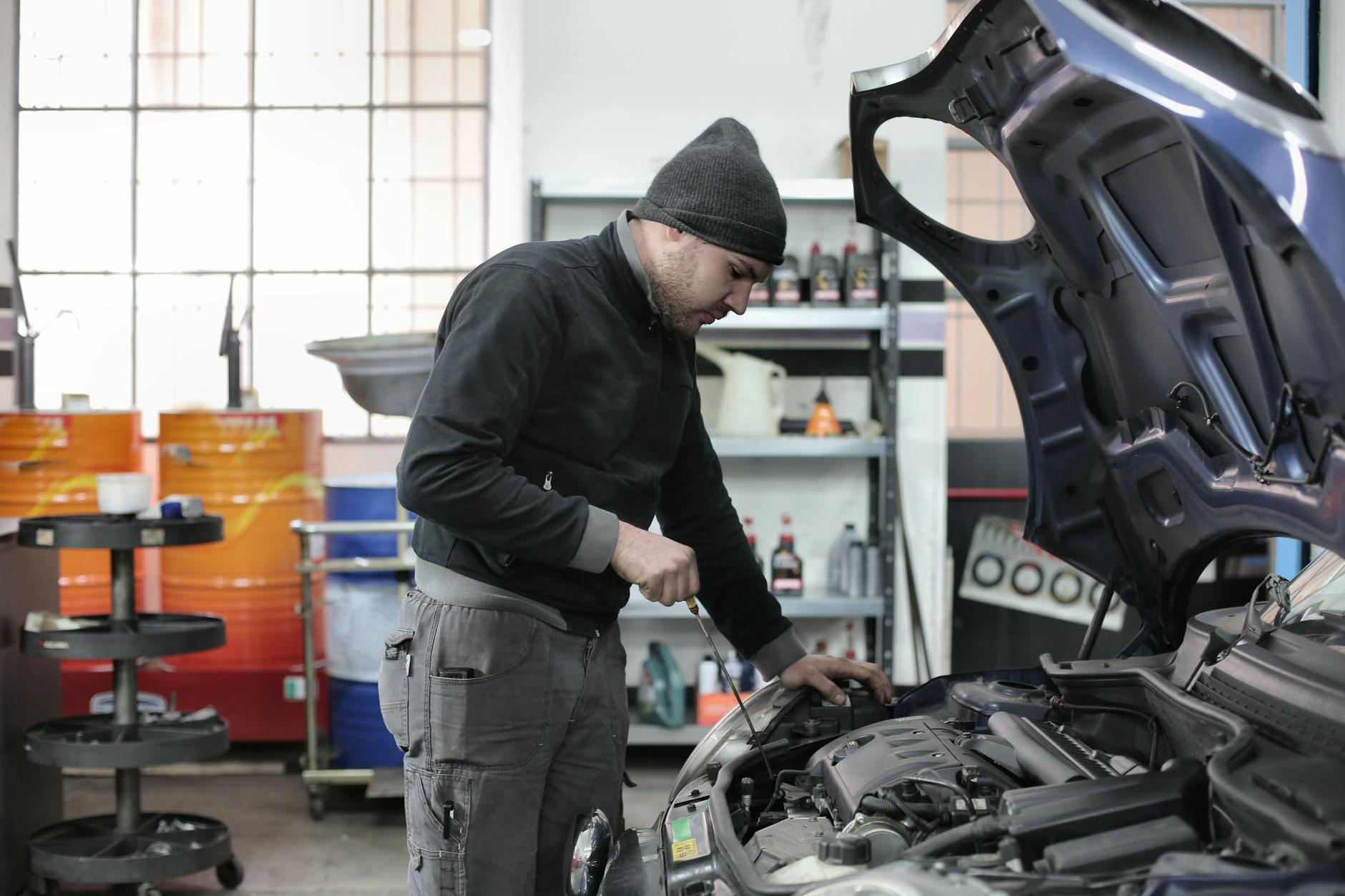
Strategy 6: DIY oil changes if you're competent (saves $180–$300/year)
Oil + filter from AutoZone: $35. Shop oil change: $65–$100. Time investment: 20–30 minutes. Skip this if you're not mechanically inclined; pour-spill mistakes cost more than the savings.
Strategy 7: Use credit-union financing instead of dealer financing (saves $300–$800/year)
Credit-union APRs run 1.5–3.5 percentage points below dealer-financed rates for the same credit profile. On a $25k loan, that's $400–$800/year of interest.
Strategy 8: Bundle home + auto insurance (saves $220–$420/year)
Average bundle discount: 8–14% off total premium. See our bundling guide for the carrier-specific math.
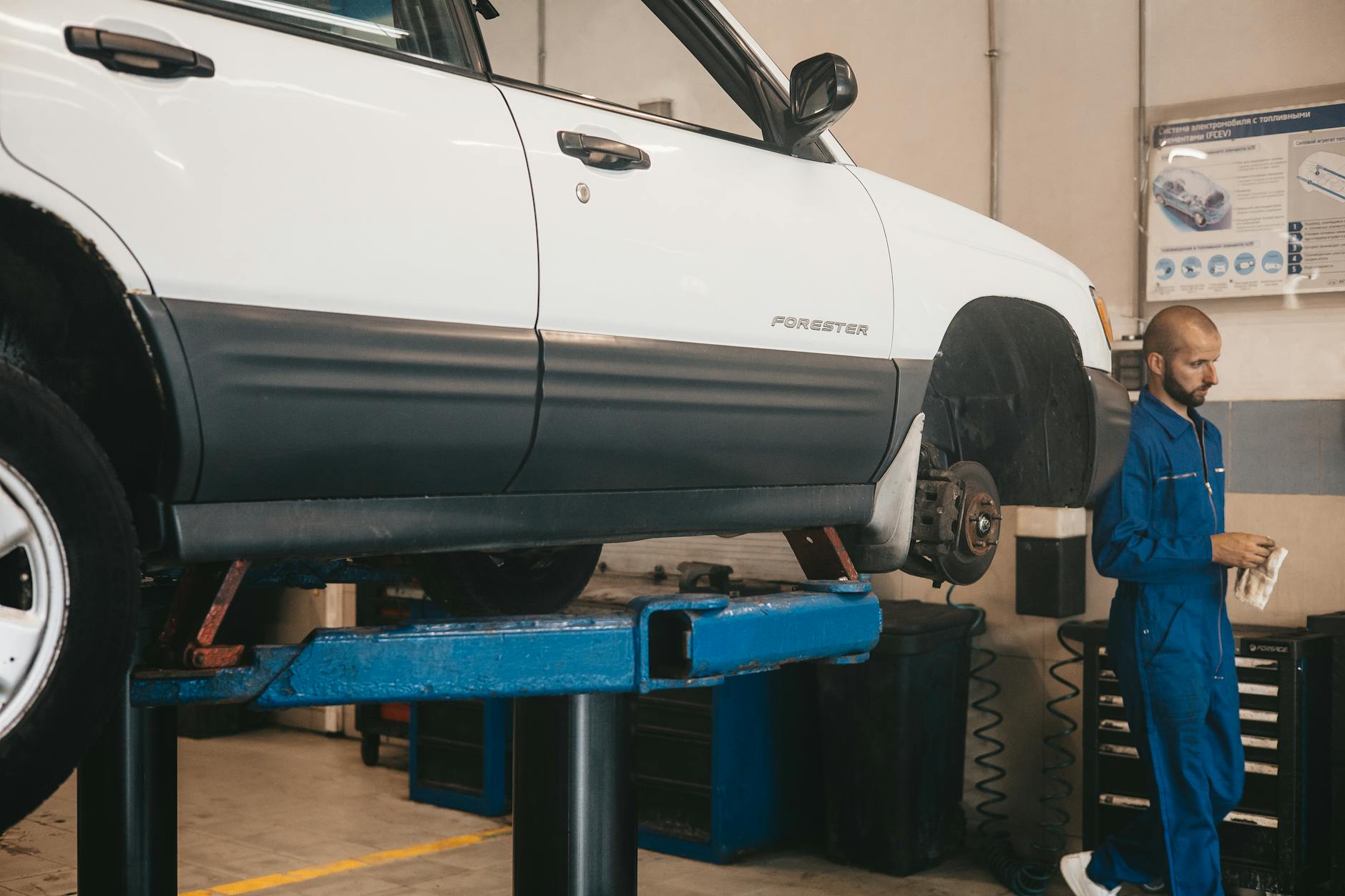
Strategy 9: Use the manufacturer maintenance schedule, not the dealer's (saves $280–$500/year)
Dealer service writers push 30k/60k/90k "major services" that bundle items you may not need. Follow the owner's manual schedule — usually 10–20% less aggressive than the dealer's recommendations.
Strategy 10: Pre-purchase inspection before any used-car buy (saves $300–$2,000/year amortized)
A $120 independent pre-purchase inspection catches issues that would otherwise become $1,500+ repairs in year 1. Skipping the inspection is the most common expensive ownership mistake.
Strategy 11: Refinance into shorter terms once cash flow improves (saves $200–$600/year)
Going from a 72-month loan to a 48-month loan (when cash flow allows) cuts total interest dramatically. Each 12-month term reduction saves 15–22% of total interest paid.
Strategy 12: Sell privately, not dealer trade-in (one-time savings: $2,000–$2,400)
Amortized over a 5-year ownership cycle: $400–$480/year. See our trade-in-vs-sell guide for the playbook.
The 4 strategies that DON'T actually work
Myth 1: Premium gas in regular-gas cars
If your owner's manual says "regular unleaded recommended," premium gas does nothing. Engines without premium-gas-required tuning can't extract performance from higher octane. Pure waste of $0.40–$0.80/gallon.
Exception: vehicles with "premium recommended" (not required) — premium gas can deliver marginal MPG gains that sometimes net to break-even.
Myth 2: "Tune-ups" every 30k miles
Modern engines (2010+) don't need traditional tune-ups. Spark plugs last 60k–100k miles. Ignition coils, air filters, and PCV valves should be inspected but rarely replaced on the 30k cadence shops push.
Myth 3: Wax-based fuel additives
Snake oil. Engine cleaners (Seafoam, Techron, etc.) have some legitimacy for high-mileage fuel-injection cleanup. Wax-based "fuel system protectants" do not.
Myth 4: Aftermarket nitrogen tire fills
$8/tire markup. Nitrogen-filled tires lose pressure at slightly slower rates than air, but the difference is marginal. Don't pay for it; just check tire pressure monthly.
The compounding effect
Apply the top 6 strategies and the average household saves $2,400–$3,800/year on car ownership — without changing vehicles or driving habits. Over a 5-year ownership cycle, that's $12,000–$19,000 in true savings.
Frequently asked questions
How much does owning a car really cost per year?
AAA's 2026 study: $10,728/year for a mid-size sedan, fully loaded with depreciation, financing, insurance, fuel, maintenance, taxes, and fees. That's $894/month. SUVs and pickup trucks cost $1,200–$2,500/year more.
What's the single biggest car-ownership cost?
Depreciation, by a wide margin. For new cars, depreciation typically accounts for 40–50% of total annual ownership cost. Buying a 2–3 year-old used car instead of new sidesteps the steepest depreciation curve.
Is leasing cheaper than buying?
Monthly payment, usually yes — total cost over a 10-year ownership horizon, usually no. Leasing perpetually pays for the depreciation curve without building equity. Buying and holding for 8+ years amortizes depreciation across more usable years.
Does premium gas actually help my car?
Only if your owner's manual REQUIRES premium gas (some BMW, Mercedes, Audi, performance trims). For "recommended" or "regular acceptable," premium gas does nothing measurable.
What's the best year to sell my car to maximize value?
Year 3–4 is the sweet spot for most vehicles. Steep first-year depreciation is past; maintenance costs are still low; market demand is strongest for "near-new" used vehicles. Selling at year 3–4 and buying another year 3 vehicle minimizes total ownership cost over time.
The bottom line
Focus your effort on the three largest cost lines: depreciation, insurance, and financing. Buying a lightly-used vehicle instead of new addresses depreciation. Re-shopping insurance every year and a half plus bundling policies cuts premium costs without reducing coverage. Refinancing when your credit improves or using credit-union financing from the start minimizes interest expense.
The smaller strategies—correct tire pressure, following the manufacturer maintenance schedule rather than the dealer's upsell version, selling privately—add up but require consistency. Skip the myths entirely: premium gas in regular-fuel cars, nitrogen tire fills, and frequent tune-ups burn money without returns.
Stack the top six strategies and you'll trim annual ownership costs enough to fund an extra car payment each year or accelerate loan payoff.
Run insurance quotes this week, then tackle the highest-cost item in your ownership profile.
Related reading
Car Ownership Savings
12 Real Ways to Cut Total Car Ownership Costs (Save $2,000+/yr)
Insurance, fuel, maintenance, financing, and depreciation — twelve concrete moves that compound into thousands per year. Ranked by ROI per hour of effort.
10 min readSame clusterCar Ownership Savings
Car Depreciation by Year: How Much Value Does a Car Lose? (Calculator)
How much value a car loses each year, why the first 12 months hurt most, how pickups and EVs differ, and a calculator that estimates your car's value for every year you own it.
8 min readSame cluster
Terms in this article
2 financial terms defined
MSRP (Manufacturer's Suggested Retail Price)
The sticker price the manufacturer recommends a dealer charge for a vehicle.
Ownership & PricingAPR (Annual Percentage Rate)
The yearly cost of a loan including interest and fees, expressed as a percentage.
Auto LoansSources & methodology
Fact-checked by Michael EckeThis guide is based on CarSavr's independent editorial research. Our recommendations follow a documented, conflict-checked review process — our editorial standards.
"Reducing Car Ownership Costs: 12 Strategies That Work (and 4 That Don't)." CarSavr, June 14, 2026, https://carsavr.com/guides/reducing-car-ownership-costs-12-strategies.See if you're overpaying
Compare car ownership savings offers in about 2 minutes.
Free · 2 min · No hard credit pull · No spam
Helpful?
Was this guide useful?
Keep reading

Real Cost of Car Ownership by Vehicle Type (2026)

Depreciation by Make and Model: Which Cars Hold Value Best?
Maintenance Cost by Mileage: What to Expect at 50k, 100k, 150k Miles
The 3,000-Mile Oil Change Myth: Modern Vehicle Intervals Range 7,500 to 15,000 Miles (And Saving $600/Year)

Tire Pressure Monitoring System (TPMS): The $400/Year MPG Savings You're Likely Missing

7 Proven Ways To Cut Your Auto Insurance Bill in 2026
The CarSavr brief
Cut your car costs.
Smarter car advice, sent when it counts. Free, no spam, unsubscribe anytime.